Urgency, energy and agency: reflections from Anthropy 2026
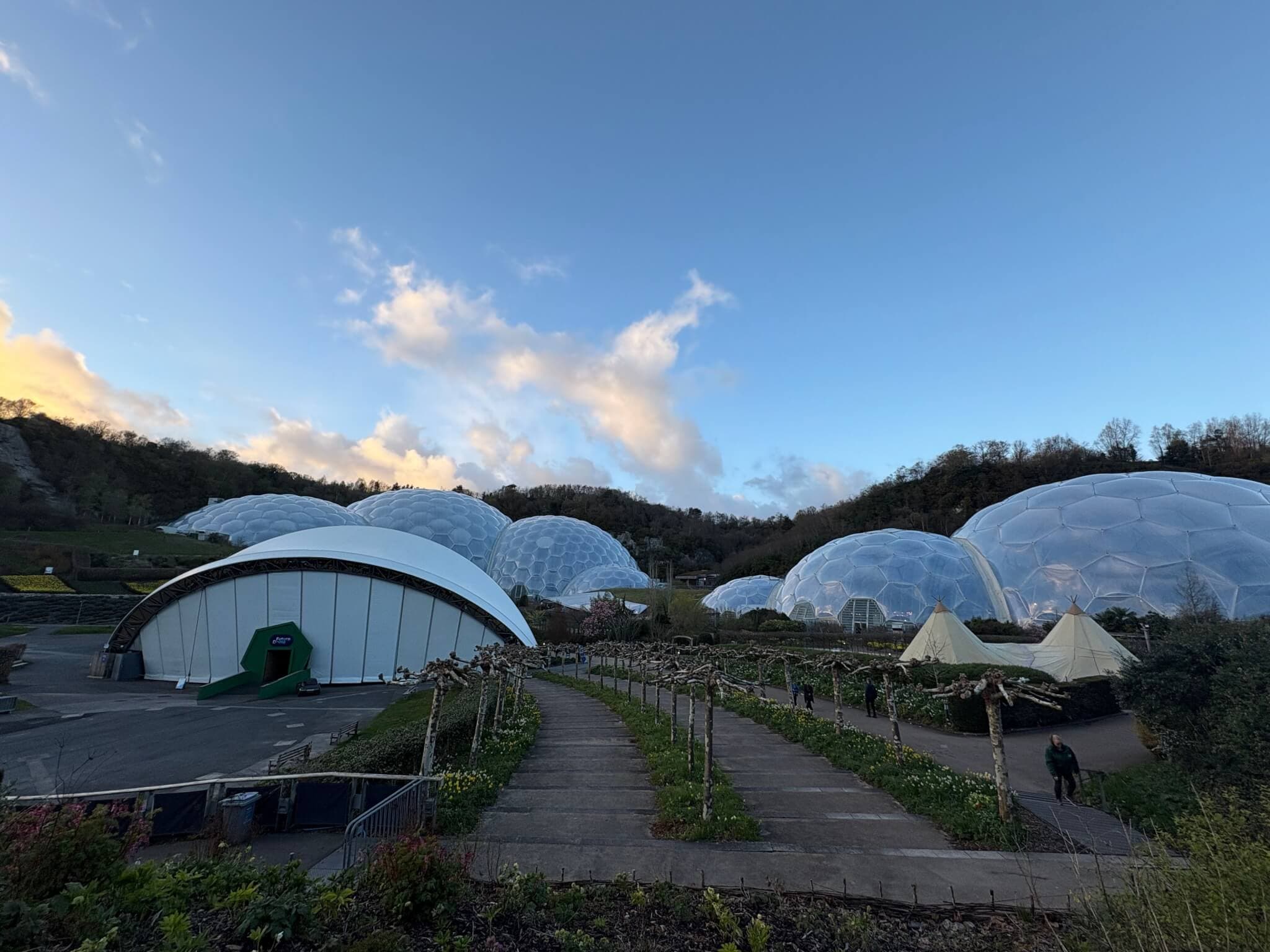
Held amongst the rainforests and Mediterranean gardens of the stunning Eden Project, Anthropy 2026 was far from a traditional conference. In a setting where ideas, not status, held the most weight, the agenda for this gathering of more than 2,000 leaders, academics, start-ups and innovators was driven by a shared urgency to shape a better future for Britain – and the world.
From closing the gender wealth gap, to confronting the organised crime networks behind the illegal wildlife trade, to the urgent need to protect young children online and the responsible use of AI, the conversations over the course of three days were a powerful reminder of the complex challenges we face and the progress already being made to address them.
Weber Shandwick was once again at the Eden Project to engage, connect and share ideas. Here are some of the most salient insights for business and communications leaders that emerged:
Human-centred narratives have never been more important. Across many sessions, speakers highlighted the challenge of telling stories that cut through and resonate in a landscape increasingly dominated by global threats. Communications professionals play a vital role in engaging audiences with honest narratives that recognise the scale of the challenge while highlighting solutions and progress. Corporate social responsibility also emerged as a key driver of brand trust and recognition – no longer a compliance exercise but a strategic way for organisations to demonstrate purpose. Additionally, in the session “The Trust Tax,” speakers emphasised that the key question is not whether content is AI-generated or human-created, but whether it effectively drives engagement and changes behaviour. Learning to use the tools at our disposal well will be crucial to navigating these challenging times.
Navigating an uncertain global landscape requires a new leadership style. In a session on ‘The Perils of Leading Through Uncertainty’, run by United Minds, speakers stressed that when things are messy and everything is urgent, how leaders communicate can matter just as much as the decisions they make. Leading effectively is about creating confidence without having all the answers, showing empathy, sustaining motivation, and guiding teams through disruption.
Non-traditional partnerships offer exciting and effective avenues for change. One of the most striking aspects of Anthropy was the sheer diversity of perspectives in the room. Leaders from business, charities, academia, government and grassroots organisations shared the stage and the conversation. The complex challenges discussed – from climate resilience to youth wellbeing to AI – cannot be solved by any one sector alone. Progress will depend not simply on bringing stakeholders together, but on building genuine partnerships across traditional boundaries and leaders who can coordinate these complex ecosystems.
Young people’s purpose, identity and sense of belonging are central to the future we are building. A particularly thought-provoking session – “Hope Not Tate” – explored the growing lack of positive role models for young men and the consequences of that vacuum. The discussion highlighted the importance of providing pathways for purpose, identity and belonging. This gap creates an opportunity for organisations to step in not just as employers, but as cultural leaders. By promoting mentorship, co-creation, and positive values, businesses can help shape the sense of purpose and identity young people are seeking. More broadly, Anthropy repeatedly reinforced the need to empower younger generations, not just as beneficiaries of change but as active participants shaping it.
Environmental efforts must be grounded in local knowledge. In a session exploring the link between soil, agriculture and peace, speakers highlighted how current systems often force communities to choose between protecting the environment and putting food on the table. Working with farmers to restore soil health offers a way to remove that trade-off, improving incomes, biodiversity and public health at the same time. For communicators, this means telling stories that connect local experience with these broader benefits, helping audiences understand why solutions rooted in communities can have far-reaching impact, and why environmental protection must be a priority for industry and individuals alike.
Cliché or not, we must stay vigilant to ensure promises become progress. Anthropy is a forum for ideas, but a recurring theme across sessions was the urgency to translate dialogue into tangible change. Following years of global promises accompanied by a lack of progress, the call to action in the closing session was firmly on taking what we have heard and turning it into practical solutions and measurable outcomes. It is not about placing blame, it is about working together to create positive feedback loops.
Anthropy 2026 gave those of us fortunate enough to be there the chance to experience the world as it could be. As a society, we have no shortage of ideas, energy or commitment. What we need now is to carry this shared sense of responsibility forward, and together, turn ambition into action.